
Choosing the right camping gear for Hungary requires understanding the country's continental climate, where summer days can exceed 35 degrees on the Great Plain while mountain nights in the Bukk or Matra ranges regularly drop below 10 degrees. This guide covers the equipment categories that matter most, with honest assessments of what works in Hungarian conditions and what you can leave at home.
Tents: Matching Shelter to Hungarian Conditions
Three-Season Tents for Most Trips
For the vast majority of camping trips in Hungary, a three-season tent is the right choice. The main camping season runs from April through October, and during these months you need a shelter that handles two things well: ventilation during hot days and rain protection during summer storms.
Hungarian summers are genuinely warm. Temperatures in the low-lying areas around Lake Balaton, the Great Plain, and the Danube Basin frequently sit above 30 degrees during the day, and overnight lows in July and August may not drop below 20 degrees. A tent with generous mesh panels and multiple ventilation points makes a significant difference in these conditions. Double-wall designs with a separate inner tent and rainfly allow you to leave the fly partially open on clear nights while maintaining insect protection.
Rain is the other factor. Hungary experiences sudden, heavy thunderstorms during summer, often in the afternoon. These are not gentle drizzles. They arrive fast, dump large amounts of water in a short period, and sometimes bring strong winds. A tent with a minimum hydrostatic head of 2,000mm on the fly and 3,000mm on the floor will keep you dry through these events. Seam-sealed construction is essential, not optional.
Four-Season Tents: When They Make Sense
If you plan to camp in Hungary outside the core season, particularly from November through March, a four-season tent becomes worth considering. Winter temperatures in the northern mountains can drop to minus 15 degrees, and snowfall is common in the Bukk, Matra, and Zemplen ranges from December through February. The stronger pole structures and heavier fabrics of four-season designs handle snow loads and sustained wind better than their three-season counterparts.
That said, most people camping in Hungary will not need a four-season tent. The additional weight and reduced ventilation work against you for the seven warmest months of the year. Unless you specifically intend to winter camp in the mountains, a well-made three-season tent with a robust rainfly is the better investment.
Tent Selection at a Glance
- April to October (most campers): Three-season, double-wall, good ventilation, rain rating above 2,000mm
- November to March (mountain camping): Four-season with reinforced poles and snow-capable fly
- Weight target: Under 2.5 kg for backpacking, up to 4 kg acceptable for car camping
- Capacity: A two-person tent works well for solo campers who want space for gear
Sleeping Gear: Bags and Pads
Sleeping Bags for the Hungarian Climate
The temperature range across the Hungarian camping season is wide enough that no single sleeping bag is perfect for every trip. A bag rated to around 5 degrees Celsius (comfort rating, not the lower limit) covers the broadest range of conditions. It will be warm enough for spring and autumn nights in the mountains and can be opened up or used as a blanket during the hottest summer weeks.
Synthetic-fill bags have a practical advantage in Hungary. The humidity levels, particularly around Lake Balaton and the river valleys, can be high, and synthetic insulation retains warmth when damp far better than down. Down bags are lighter and compress smaller, which matters for backpacking, but they need more careful handling in humid conditions. If you choose down, look for bags with hydrophobic-treated fill.
For summer-only camping on the Great Plain or around Balaton, a lightweight liner or a bag rated to 10 or 15 degrees is sufficient. Night temperatures in July and August rarely require serious insulation at lower elevations.
Sleeping Pads
The sleeping pad matters as much as the bag for actual comfort and warmth. Ground temperatures in Hungary can be surprisingly cold even in summer, particularly at mountain campsites where the earth retains moisture. An R-value of 3 or higher provides adequate insulation for three-season use. For winter trips, aim for R-value 5 or above.
Self-inflating pads offer a good balance of comfort and packability. Air pads are lighter and pack smaller but require a pump or significant lung capacity. Closed-cell foam pads are indestructible and cheap but bulky. For car camping, where weight is not a concern, a thick self-inflating pad is the most comfortable option by a wide margin.
Cooking Equipment
What you need for cooking depends heavily on whether you are backpacking or car camping. The two approaches are quite different in Hungary, and many campers here do a combination of both.
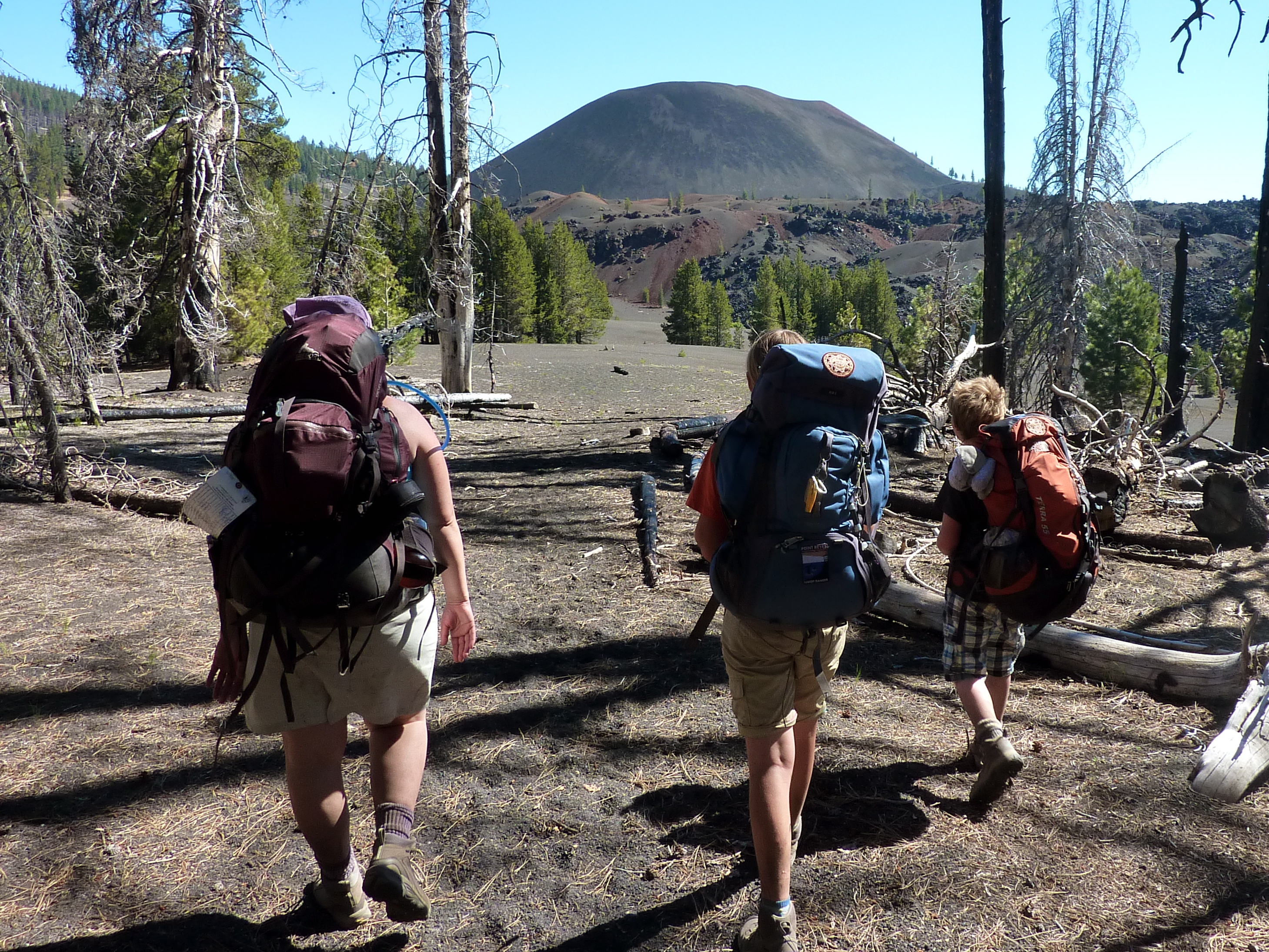
For backpacking, a compact canister stove is the most practical choice. Isobutane-propane canisters are available at outdoor shops in Budapest and larger cities, as well as at some well-stocked camping supply shops near popular national parks. The screw-on canister stoves weigh under 100 grams and boil water in three to four minutes, which is adequate for rehydrating meals and making coffee.
For car camping, the options expand. Many established Hungarian campsites have communal cooking areas with grills and sometimes basic shelters. A two-burner camp stove running on larger propane canisters gives you the flexibility to cook proper meals. Hungarian supermarkets, including Spar, Lidl, and Aldi locations in small towns, stock everything you need for campsite cooking at reasonable prices.
A few essential items regardless of your approach: a reliable lighter and waterproof matches as backup, a compact pot of at least one litre capacity, an insulated mug (mornings are cool even in summer), and a basic water filtration device if you plan to use stream water in the mountains. Tap water at established campsites is safe to drink throughout Hungary.
Fuel Availability in Hungary
- Isobutane canisters: Available at Decathlon, Hervis, and specialist outdoor shops in larger cities
- Propane cylinders: Hardware stores and larger supermarkets stock common sizes
- Denatured alcohol: Available at pharmacies and hardware stores under the name "denaturalt szesz"
- Firewood: Available for purchase at most established campsites; collecting wood is restricted in national parks
Clothing Layers for Hungarian Terrain
The layering system that works elsewhere in Central Europe works in Hungary too, but with a few adjustments for the specific conditions you will encounter.
The base layer in summer should be lightweight and moisture-wicking. Merino wool is excellent for multi-day trips because it resists odour buildup, but synthetic base layers dry faster after getting caught in a rainstorm. Given how quickly Hungarian summer storms arrive, quick-drying properties are worth prioritising.
A mid-layer is essential for mornings and evenings, even in summer. The temperature difference between midday and dawn at a mountain campsite in the Bukk range can exceed 20 degrees. A lightweight fleece or insulated jacket that packs small is the most versatile mid-layer option. You may not touch it between 10 a.m. and 6 p.m. in July, but you will be glad to have it when you step out of the tent at sunrise.
The outer layer needs to be waterproof and breathable. A hardshell rain jacket that you can stow in your pack without noticing the weight is the single most important clothing item for camping in Hungary. Summer storms can arrive with almost no warning, and being caught in one without rain protection at an exposed campsite is genuinely unpleasant. A packable rain jacket weighing 200 to 300 grams is sufficient for summer; something heavier and more durable serves better for spring and autumn trips.
Footwear deserves attention. Hungarian terrain varies from flat sandy paths around Balaton to rocky mountain trails in the Northern Uplands. For general camping, a pair of mid-cut hiking boots with decent ankle support handles the range well. Add a pair of lightweight camp sandals for wearing around the campsite and for river crossings.
Navigation and Safety Items
Hungarian national parks and nature reserves are generally well-marked with colour-coded trail blazes. The trail marking system uses standard European conventions: red, blue, green, and yellow stripes painted on trees and rocks. Despite this, carrying navigation tools beyond your phone is a practical precaution.
A physical map of the area you are camping in should be considered essential equipment. Cartographia and Dimap produce detailed topographic maps covering all Hungarian national parks and popular hiking areas. Phone signal coverage is unreliable in the deeper valleys of the Bukk, Matra, and Zemplen mountains, and battery life is a constant concern on multi-day trips. A laminated paper map weighs nothing and requires no charging.
A basic first aid kit should include blister treatment supplies, antiseptic, bandages, insect bite treatment, and any personal medications. Ticks are prevalent in Hungarian forests from spring through autumn, and a tick removal tool is not optional. Check yourself thoroughly after hiking through grass or undergrowth. Pharmacies in larger towns stock comprehensive first aid supplies if you need to supplement your kit.
Other safety items worth carrying: a headlamp with spare batteries, a whistle (standard distress signal is six blasts per minute), a multi-tool or knife, and a compact emergency shelter or bivouac bag. For trips into the mountains, consider a lightweight power bank for your phone and a basic weather radio or a weather app downloaded for offline use.
Further Reading
The Termeszetjaro website and app provides detailed trail maps and conditions for all Hungarian hiking areas. It is maintained by the Hungarian hiking community and updated regularly with current trail conditions, closures, and seasonal notes. The app works offline once you download the maps for your area.
Gear You Can Skip
Part of choosing the right equipment is knowing what not to bring. For most camping trips in Hungary, you can leave behind the following: a camp chair (a sit pad weighs less and works fine), an axe or hatchet (firewood at campsites is pre-split, and collecting wood in national parks is prohibited), a large camp lantern (a headlamp handles all lighting needs), and excessive cookware (one pot, one mug, and a spork cover most meals).
The tendency to overpack is the most common gear mistake among campers heading to Hungary for the first time. The country's infrastructure is good enough that resupply is rarely more than a short drive or bus ride away. You do not need to prepare for complete self-sufficiency unless you are specifically planning an extended backcountry trip in one of the more remote mountain areas.